Home Window Repair: Expert Tips for Safe, Efficient Fixes
Comprehensive guide to home window repair, costs, and choosing trusted pros.
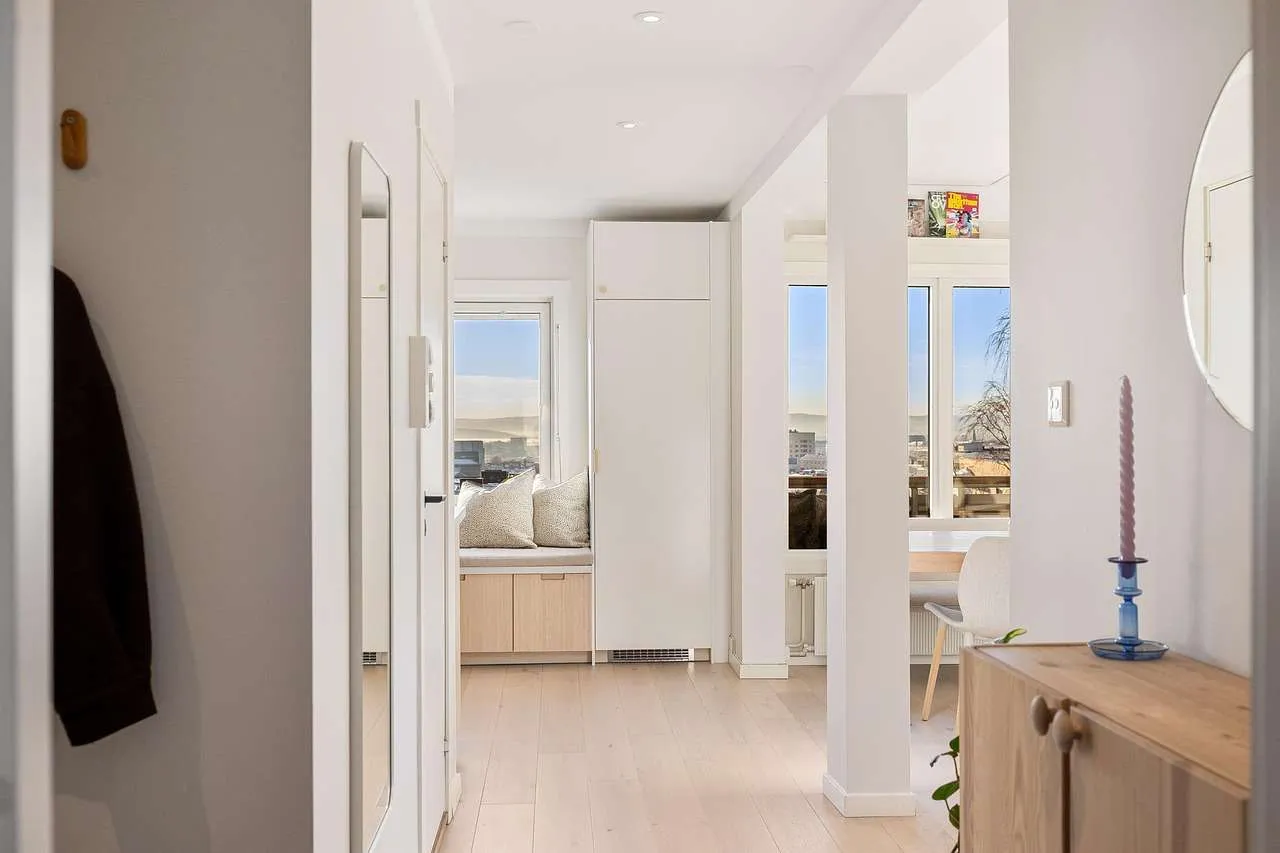
Home window repair is the process of diagnosing and fixing issues that affect a window's function, comfort, and energy efficiency. From cracked glass to bent sashes, timely repair can save energy, improve security, and extend the life of your windows.
What is home window repair?
Home window repair covers a range of services aimed at restoring operation and sealing performance. Repair work might involve re-glazing, replacing hardware, straightening a warped sash, resealing frames, or repairing glass. A skilled professional can assess whether a repair preserves the existing window or if partial or full replacement is a better long-term option. The goal is to maintain reliability, reduce energy loss, and protect your home from the elements.
Common issues that require repair
- Cracked or broken glass from impacts or temperature swings
- Sticking or difficult-to-operate sashes
- Persistent drafts due to worn weatherstripping
- Condensation between panes indicating failed seals
- Corrosion of hardware, misaligned hinges, or broken locks
These problems can worsen if neglected, leading to higher energy bills, moisture damage, or security concerns. A quick inspection by a licensed professional helps identify root causes and prevent recurring issues.
DIY vs professional assessment
Some minor maintenance tasks, like cleaning tracks or replacing weatherstripping, can be DIY if you have the right tools and safety measures. However, many repairs involve glazing, tempered glass, or structural components where a professional touch is essential. Working with glass carries cut hazards, and improper glazing or sealant can cause future leaks or energy loss. For older homes, lead paint and historic glazing may require specialized handling. A reputable contractor will assess structural integrity, verify compliance with local building codes, and provide a written warranty. This approach aligns with EEAT principles by prioritizing expertise, authority, and trustworthiness in the repair process.
The repair process
- Initial assessment and safety check, including pane integrity and frame condition.
- Measuring and selecting appropriate parts such as glass, sashes, or weatherstripping.
- Repair or replacement of sashes, hardware, or seals as needed.
- Glass repair or replacement with proper glazing material and safety glass if required.
- Reassembly, sealing, and weatherproofing to restore energy efficiency.
- Final inspection, test operation, and cleanup to ensure air and water tightness.
When to choose repair vs replacement
If frames are rotted, hinges are severely damaged, or double-pane seals fail repeatedly, replacement may offer better long-term value. In contrast, minor glass cracks, worn hardware, or misalignment that does not compromise structure can usually be repaired without sacrificing performance or energy efficiency.
Costs, materials, and energy efficiency
Costs vary by window type, extent of damage, and regional labor rates. A typical repair may range from a modest outlay for weatherstripping to a few hundred dollars for sash or seal work. Replacement parts should match the window style and energy rating to preserve or improve insulation. When possible, choose energy-efficient glass options such as low-emissivity coatings or double-pane units with inert gas fills to reduce heat transfer and lower utility bills.
| Option | Typical cost per window | Pros | Cons |
|---|---|---|---|
| DIY fix | 20-150 | Low cost, quick improvements | Limited scope, safety risks, no professional warranty |
| Professional repair | 150-500 | Quality workmanship, warranties, expertise | Higher upfront cost than DIY |
| Window replacement | 300-1000+ (per window) | Best for energy efficiency and long-term value | Highest initial investment |
Choosing a window repair professional
For trustworthy service, verify licensing or certification where required, request proof of insurance, and ask for a written estimate and timeline. Look for a track record of completed projects, strong reviews, and transparent warranties on parts and labor. If the home is older or contains lead-based paint, ensure the contractor follows safety protocols and, if needed, EPA Lead-Safe practices. A professional with clear communication and documented credentials demonstrates expertise, authority, and trust—key elements of EEAT.
Maintenance and energy efficiency tips
Regular maintenance helps prevent costly repairs. Clean tracks and sashes, re-seal gaps, replace worn weatherstripping seasonally, and inspect for moisture around frames. Consider upgrading to energy-efficient glazing or adding storm windows in colder climates. Routine checks by a qualified pro every 1-2 years can extend window life, reduce drafts, and improve overall comfort.
Summary
| This guide covers common issues, the repair process, cost considerations, and how to choose a qualified professional for home window repair. Prioritize safety, durability, and energy efficiency, and rely on licensed experts when in doubt. |
Conclusion, by understanding when to repair versus replace, requesting proper warranties, and working with experienced tradespeople, you can restore function, save on energy, and maintain the value of your home while ensuring trustworthy, expert service throughout the life of your windows.